
History of the canal
The Hjälmare Canal is Sweden's oldest man-made waterway still in use. It was built to connect Lake Mälaren with Lake Hjälmaren and facilitate the transportation of goods, mainly iron, between Bergslagen and Stockholm. The history of the canal dates back to the time of Gustav Vasa, when plans began to take shape to avoid the customs duties in the Sound. However, construction did not begin until 1629, during the reign of Gustav II Adolf, and was completed ten years later.
To promote the project, local residents were allowed to dig the canal in exchange for exemption from military service. The work also involved soldiers from the Sörmland regiment and employed a maximum of 500 people. The most demanding part was through the bedrock between Lillsjön and Långsjön, where miners from Skinnskatteberg used a method called burning, where the rock was heated and split with cold water. This 600 meter long section is today called Bergskanalen.
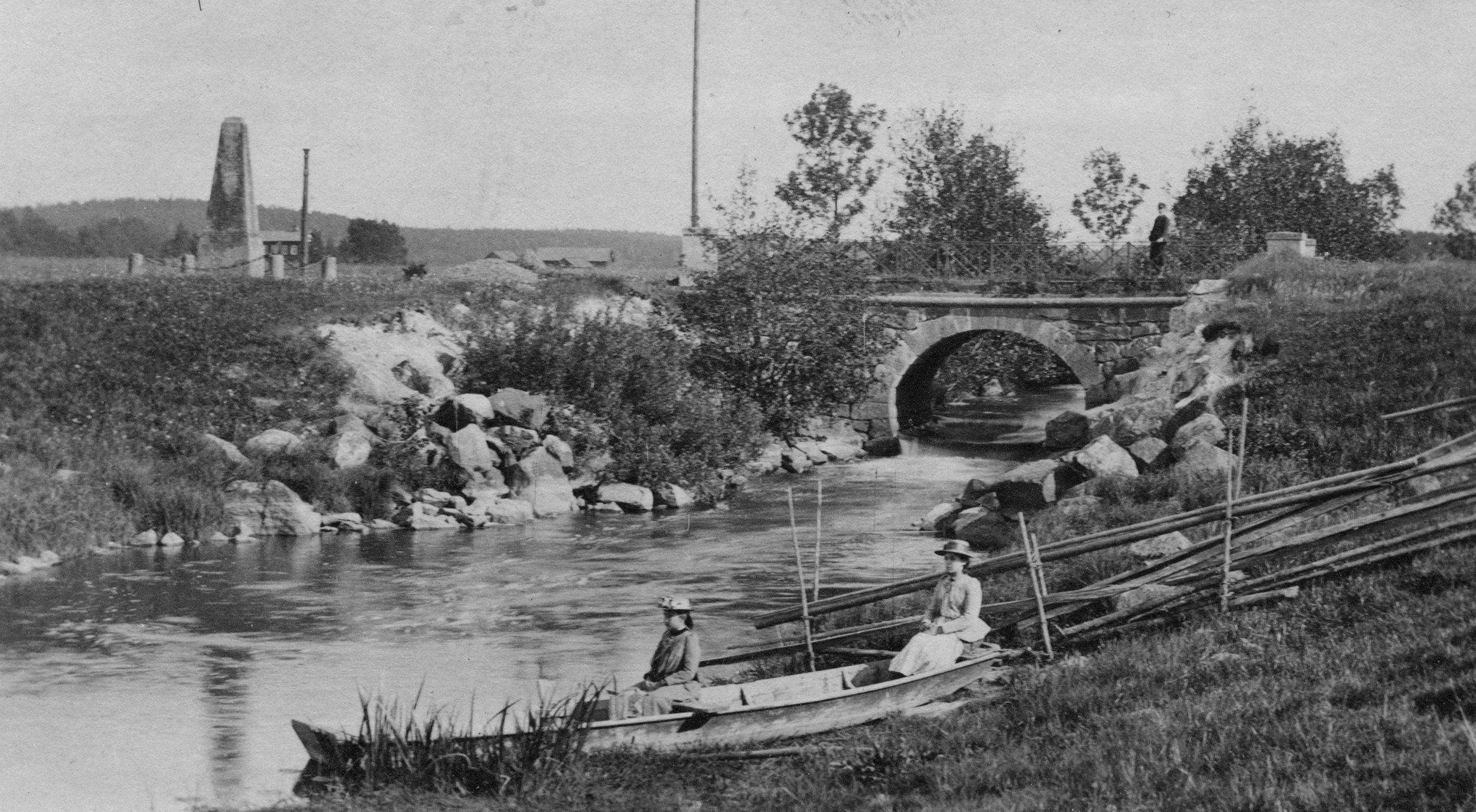
During the 19th century, the canal needed to be upgraded to meet increased demand and avoid frequent stoppages. Between 1819 and 1829, a new five-kilometer stretch was built on the initiative of Göta Canal's creator Baltzar von Platen. The new route significantly improved capacity, while the original canal was preserved as a historical monument.
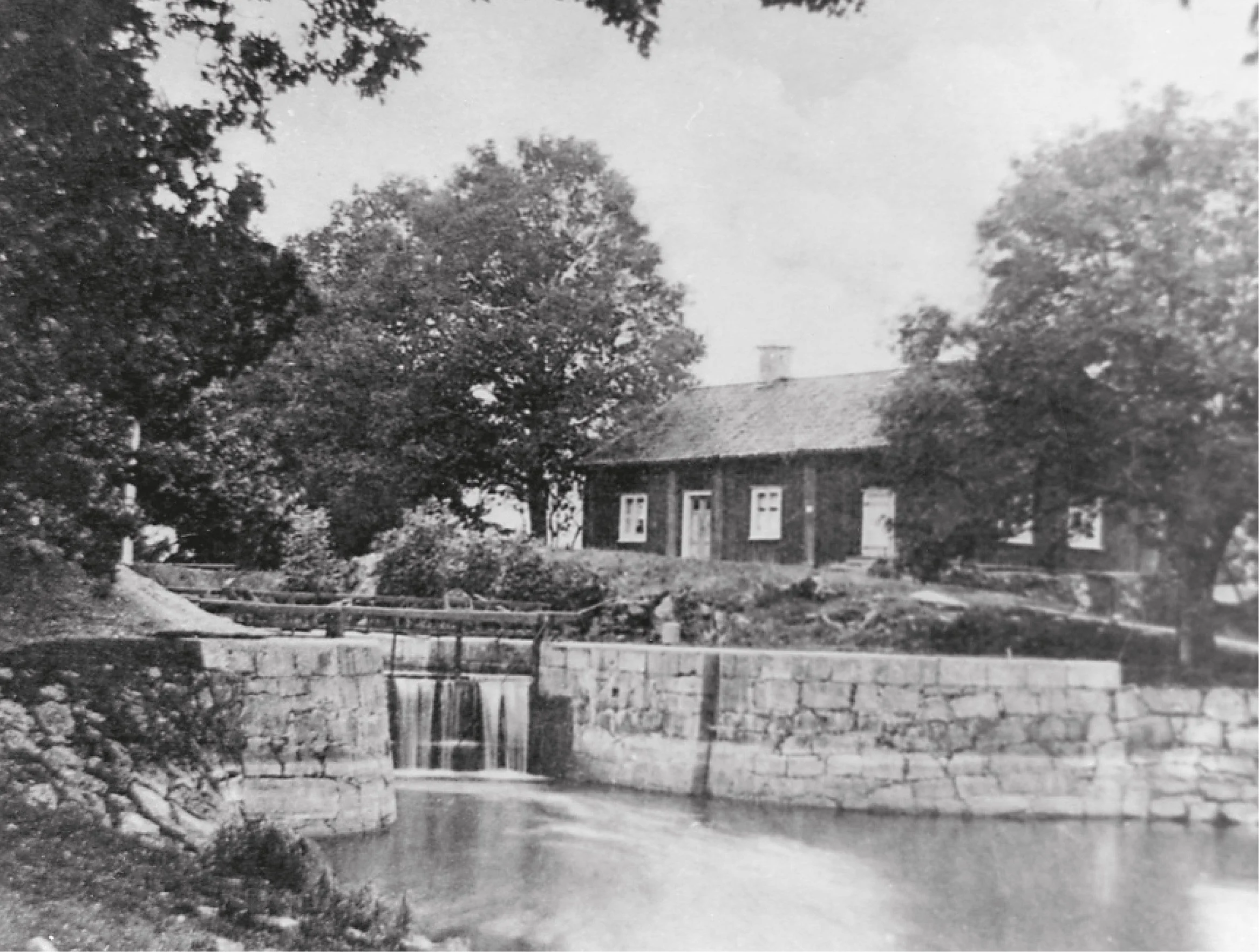
The Hjälmare Canal played a central role in Sweden's industrial history, transporting iron, grain and timber to Stockholm, while goods were brought back to merchants in Örebro and the mills in Bergslagen. In the 20th century, traffic was lively, but competition from railways meant that freight transportation ceased in the 1970s. Today, the canal is mainly used by pleasure boats and passenger ships.
The canal stretches over 13.7 kilometers, of which 8.5 kilometers are dug, and includes nine locks that are still operated by hand - just like in the 17th century. The area is now a popular tourist destination, where visitors can enjoy both historical features and scenic surroundings. Hjälmare Docka, the canal's dry dock, today serves as a center for the history of the canal with exhibitions and recreational opportunities.
The surroundings of the canal are characterized by a quiet, natural environment that, together with the historical significance of the canal, makes it a unique attraction. Hjälmare Canal is not only a piece of Swedish history, but also a living cultural heritage that shows how people for generations have shaped and adapted the landscape.